Syracuse Property Guide
A Local Review—Not a National Guess.
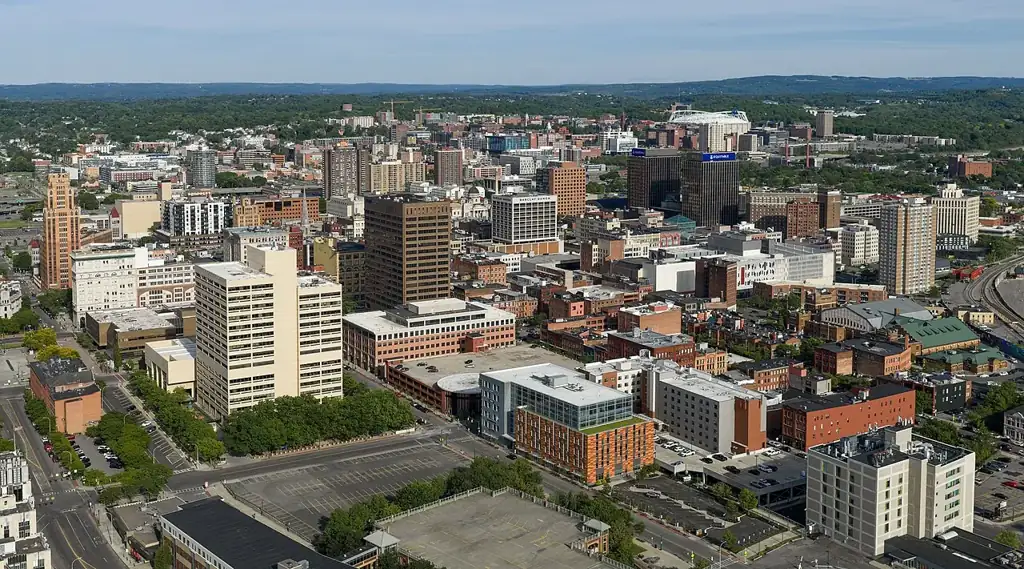
Syracuse combines compact urban neighborhoods, university and hospital-area housing, postwar suburbs, and outlying towns around Onondaga County. Demand drivers and property types vary substantially within a short distance, so a purchase review should focus on the specific street, lawful occupancy, access, and capital needs. Older singles and two-family homes may need system-level work even when interiors look updated. Heavy winter weather makes roof geometry, drainage, foundation moisture, heating reliability, and prior vacancy especially important to a realistic operating or rehabilitation plan.
01How the Housing Context Changes the Review
The local stock includes wood-frame houses, multifamily conversions, brick buildings, capes, ranches, and split levels. Buyers should look beyond cosmetic finishes to roof decking, ice-dam evidence, basements, boilers or furnaces, electrical panels, plumbing, and insulation. Properties left vacant through winter may have hidden freeze damage. Near low-lying areas or waterways, parcel-specific drainage and flood information deserves review rather than a broad neighborhood assumption.
02Property Patterns We Account For
Syracuse city blocks contain frame singles, two-family homes, early apartment buildings, and student-oriented properties with basements, porches, and detached garages. DeWitt and Camillus add capes, ranches, split levels, and established subdivisions, while Liverpool, Cicero, and Baldwinsville include later growth and water-adjacent pockets. Steep roofs, boilers, finished attics, basement bedrooms, shared drives, and snow-limited parking recur. Rural edges introduce wells, septic systems, oil or propane, and outbuildings. Legal use and municipality should be verified separately from postal address.
03What We Check Before Proposing Terms
Establish the county, municipality, tax parcel, legal use, occupancy, and ownership authority. Examine roof and gutter performance, basement water, foundation condition, heating, plumbing, electrical, and any evidence of fire or freeze damage. For rentals, collect leases, deposits, utility responsibilities, and inspection records. Sellers should identify open permits, municipal notices, shared driveways, boundary issues, or unpaid charges early enough for the buyer and title professionals to verify them.
04Selling an Inherited, Vacant, Rental, or As-Is House in and around Syracuse
Syracuse sellers may be managing an inherited house, a vacant property after winter, an occupied student rental, or a suburban home with roof, basement, or heating work. Others have multiple heirs, stored contents, utility shutoffs, or a conversion whose records are unclear. Useful initial information includes title authority, occupants and leases, legal unit history, permits, heating fuel, winterization, water or insurance records, municipal notices, and available access to every area.
Records We May Need to Reconcile
Depending on the exact parcel, relevant public information may be maintained through Onondaga County, Madison County, and Oswego County. Source coverage and freshness vary, so we confirm property-specific facts during review.
- Onondaga County
- Madison County
- Oswego County
Nearby Areas in the Same Conversation
The metro area connects with communities such as DeWitt, Liverpool, Cicero, Camillus, and Baldwinsville. These names provide local context; every address still receives its own review.
- DeWitt
- Liverpool
- Cicero
- Camillus
- Baldwinsville