Albany Property Guide
A Local Review—Not a National Guess.
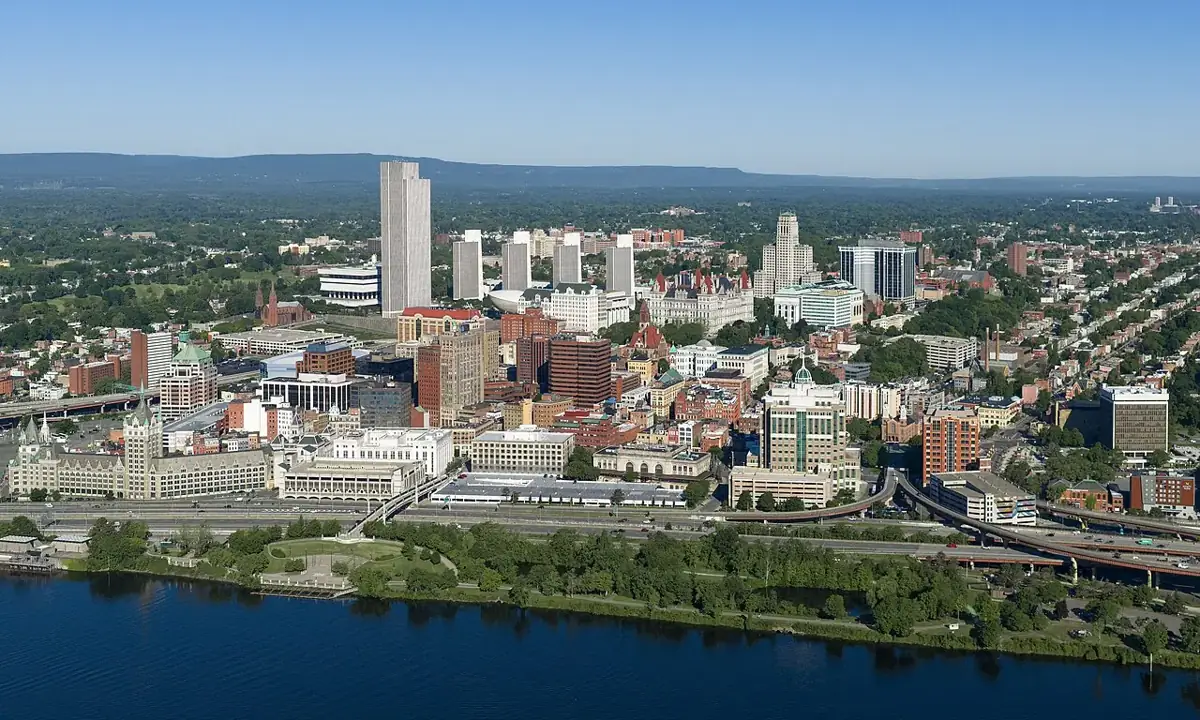
Albany sits within a connected Capital Region where city row houses, two-family buildings, suburban neighborhoods, and small-town properties cross several county and municipal lines. Government, education, medical, and private-sector employment create varied occupant pools, but individual acquisitions still depend on block, layout, parking, condition, and lawful use. Historic construction may retain durable materials alongside outdated systems. A property in Troy or Schenectady can face different records and local procedures from one in Albany, so jurisdiction must be established before diligence is scoped.
01How the Housing Context Changes the Review
Capital Region buildings often include masonry foundations, slate or low-slope roofs, older boilers, finished attics, and narrow urban lots. Water entry, freeze damage, electrical updates, lead-painted surfaces, and previous unit conversions are recurring review themes. Suburban properties add grading, septic, well, or oil-tank questions in some locations. Historic districts or local design controls may affect exterior work, while shared driveways and party walls can complicate otherwise modest renovations.
02Property Patterns We Account For
Albany neighborhoods feature brick rowhouses, frame two-family buildings, historic detached homes, and small apartments on narrow lots. Troy adds masonry row forms, steep streets, and converted buildings; Schenectady includes early workforce housing and postwar sections. Colonie and outer suburbs offer capes, ranches, split levels, townhomes, and larger parcels. Slate roofs, boilers, oil heat, basements, finished attics, shared driveways, and former porches occur throughout. Each city and town maintains distinct records, so similar layouts can have different recognized uses.
03What We Check Before Proposing Terms
Match the address to its county and municipality, then verify title, liens, taxes, legal unit count, occupancy, and permits. Inspect roofing, masonry, foundation, drainage, heating fuel and equipment, electrical service, plumbing, and life-safety features. Obtain leases and deposits for occupied units, plus any inspection reports or violation notices. Oil tanks, shared access, estate documents, or preservation restrictions should be identified before the buyer finalizes scope and timing.
04Selling an Inherited, Vacant, Rental, or As-Is House across the Albany Capital Region
Capital Region sellers may be resolving a state-job move, inherited rowhouse, student or workforce rental, vacant historic property, or suburban downsizing. Some face aging slate, boilers, oil tanks, water entry, or a unit conversion with incomplete records. Title authority, municipality, occupancy, leases, utilities, permits, preservation controls, inspection notices, tank records, and a plan for household contents are valuable at the start of a direct-buy review.
Records We May Need to Reconcile
Depending on the exact parcel, relevant public information may be maintained through Albany County, Rensselaer County, and Schenectady County. Source coverage and freshness vary, so we confirm property-specific facts during review.
- Albany County
- Rensselaer County
- Schenectady County
Nearby Areas in the Same Conversation
The metro area connects with communities such as Troy, Schenectady, Colonie, Cohoes, and Watervliet. These names provide local context; every address still receives its own review.
- Troy
- Schenectady
- Colonie
- Cohoes
- Watervliet