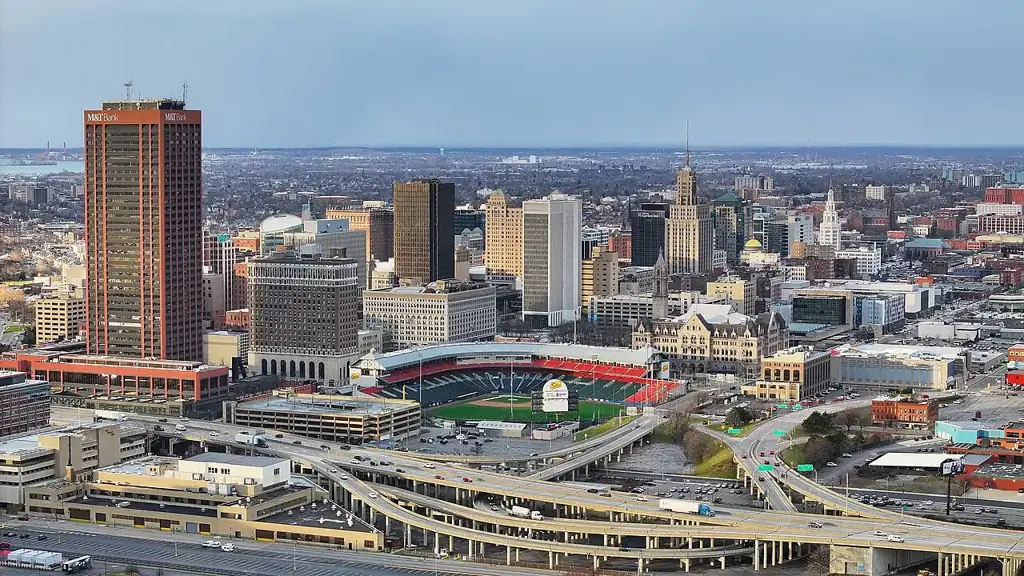
Buffalo Property Guide
A Local Review—Not a National Guess.
Buffalo’s housing stock spans dense city blocks, early twentieth-century doubles, brick and frame singles, suburban capes, and newer outer-ring construction. Investment performance can turn on the condition of major systems and the quality of the immediate block rather than a broad metro label. Two-family layouts are common enough to warrant exact confirmation of legal use, utilities, and occupancy. Winter durability also matters: roofs, gutters, foundations, boilers, and vacant-building winterization deserve deliberate review before repair costs or a closing schedule are proposed.
01How the Housing Context Changes the Review
Older Buffalo-area homes may have stone basements, knob-and-tube or mixed-era wiring, galvanized plumbing, aging sewer laterals, boilers, and layers of prior renovations. Snow and freeze cycles can expose roof, drainage, masonry, and foundation weaknesses. Duplexes may have separate meters but still share mechanical or water systems. In suburban locations, sump pumps, grading, finished basements, and municipal inspection requirements may add practical diligence before occupancy or renovation.
02Property Patterns We Account For
Buffalo proper is known for upper-lower doubles, frame singles, brick multifamily buildings, narrow lots, front porches, and full basements. Lackawanna and Tonawanda add early workforce housing, while Cheektowaga and West Seneca contain capes, ranches, and postwar subdivisions. Amherst includes later developments, townhomes, and student-oriented pockets. Boilers, detached garages, shared driveways, attic rooms, and separate utility meters recur. A two-door façade does not by itself establish legal unit count, and municipal records differ between the city and surrounding towns.
03What We Check Before Proposing Terms
Verify Erie or Niagara County title records, taxes, liens, legal unit count, and current occupancy. Walk both interior and exterior for roof, masonry, basement moisture, heating, electrical, plumbing, and fire-separation concerns. Lease terms, deposits, utility responsibility, lead-related records where relevant, and any city or town violations should be organized. Vacant homes also need evidence of winterization and a check for freeze damage or missing mechanical equipment.
04Selling an Inherited, Vacant, Rental, or As-Is House across Greater Buffalo
Buffalo sellers may be retiring from a long-held double, settling an inherited home, relocating, or managing a property damaged during vacancy or a winter freeze. Some have tenants with informal arrangements, city notices, unpaid utilities, or basements and attics full of contents. Early access to title authority, leases, deposits, unit records, inspection notices, heat and utility status, permits, and a clear cleanout plan helps separate occupancy concerns from building repairs.
Records We May Need to Reconcile
Depending on the exact parcel, relevant public information may be maintained through Erie County and Niagara County. Source coverage and freshness vary, so we confirm property-specific facts during review.
- Erie County
- Niagara County
Nearby Areas in the Same Conversation
The metro area connects with communities such as Amherst, Cheektowaga, Tonawanda, Lackawanna, and West Seneca. These names provide local context; every address still receives its own review.
- Amherst
- Cheektowaga
- Tonawanda
- Lackawanna
- West Seneca