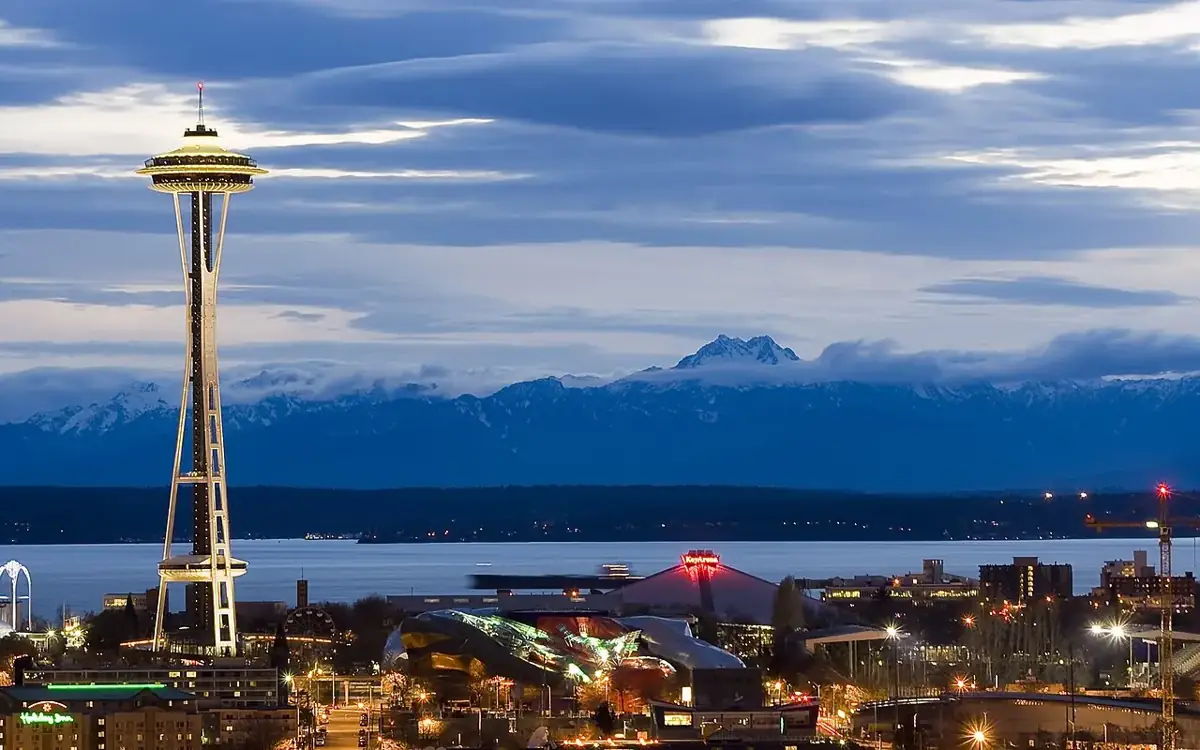
Seattle–Tacoma Property Guide
A Local Review—Not a National Guess.
Seattle–Tacoma is a three-county metropolitan market encompassing dense city neighborhoods, close-in suburbs, condominium centers, and expanding communities from Everett and Bellevue through Renton, Kent, Federal Way, and Puyallup. Housing type, terrain, transit access, and local jurisdiction vary widely. Owners may seek a direct acquisition when tenants, an estate, deferred repairs, or a coordinated move make listing preparation undesirable. USA Equity Investors evaluates the property as principal purchaser rather than representing the seller, with any proposal based on parcel-level title, occupancy, condition, association status, access, and a realistic closing plan.
01How the Housing Context Changes the Review
Regional diligence can involve steep sites, drainage, foundations, crawlspaces, roofs, moisture, sewer or septic service, older wiring or plumbing, oil tanks, additions, and accessory units. Condos and planned developments require association and assessment review. Earthquake, landslide, flood, and shoreline considerations depend on the specific site. A Seattle or Tacoma-area mailing description does not substitute for confirming county, municipality, and parcel records.
02Property Patterns We Account For
Seattle and Tacoma contain craftsman houses, mid-century homes, small multifamily buildings, condominiums, townhomes, and dense infill, while Bellevue, Renton, Kent, Federal Way, Everett, and Puyallup span several suburban eras. Hillsides, walkout basements, crawlspaces, mature trees, drainage systems, accessory dwellings, oil tanks, and shared drives recur across the region. Outer neighborhoods may shift from sewer to septic. County and city boundaries, shoreline or landslide settings, associations, and parking arrangements make a metro-wide label insufficient for property-level review.
03What We Check Before Proposing Terms
The review confirms ownership, parcel jurisdiction, title, occupancy, utilities, photos, repairs, and the seller’s schedule. Accessory units need layout, utility, lease, and permit information; condos need association documents and balances. Sellers should identify tenants, oil tanks, septic systems, solar agreements, insurance losses, shared access, or known geotechnical concerns early. Possession and closing must reflect existing rights and required documentation.
04Selling an Inherited, Vacant, Rental, or As-Is House across the Seattle–Tacoma area
Seattle–Tacoma sellers may relocate for work, inherit a house with an accessory unit, exit a tenant-occupied property, or decide not to complete costly roof or drainage work. Condo owners may face an assessment, while longtime homeowners can have an unused oil tank or stored contents. A direct review organizes parcel jurisdiction, title authority, occupancy, associations, access, environmental records, utilities, repairs, belongings, and the seller’s requested possession schedule.
Records We May Need to Reconcile
Depending on the exact parcel, relevant public information may be maintained through King County, Pierce County, and Snohomish County. Source coverage and freshness vary, so we confirm property-specific facts during review.
- King County
- Pierce County
- Snohomish County
Nearby Areas in the Same Conversation
The metro area connects with communities such as Bellevue, Everett, Renton, Kent, Federal Way, and Puyallup. These names provide local context; every address still receives its own review.
- Bellevue
- Everett
- Renton
- Kent
- Federal Way
- Puyallup