Charleston Property Guide
A Local Review—Not a National Guess.
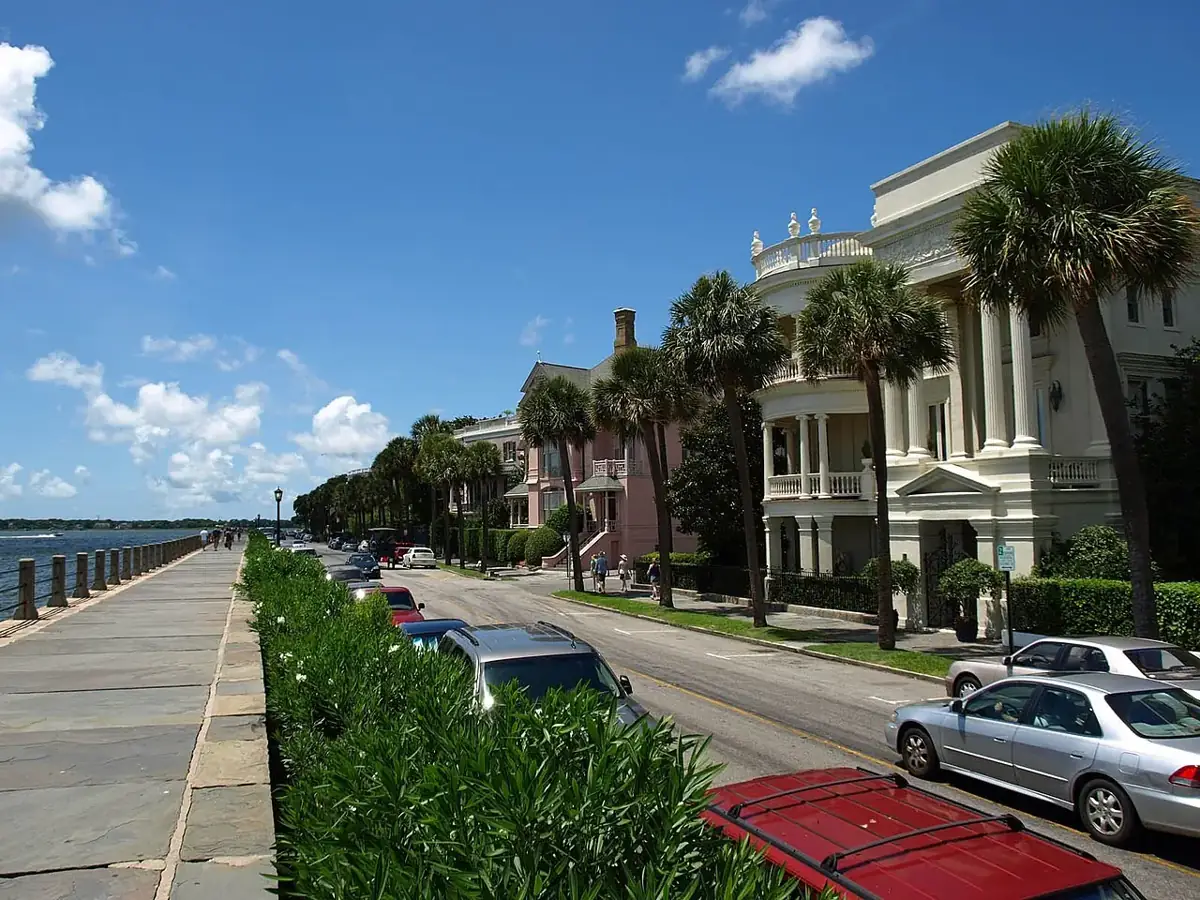
Charleston’s three-county region includes a historic peninsula, established suburban neighborhoods, fast-growing inland communities, barrier islands, and water-oriented properties. Housing ranges from raised historic homes and modest ranches to townhomes, condominiums, and newer planned subdivisions. Tourism is only one element of demand; port, military, aviation, medical, education, and service employment support year-round housing needs. Flood, wind, insurance, termite, foundation, association, and legal-use questions vary widely, so a principal buyer must examine the parcel and structure rather than rely on regional appeal.
01How the Housing Context Changes the Review
Humidity, termites, wind, salt, heavy rain, and flood exposure make roofs, flashing, siding, crawl spaces, foundations, drainage, HVAC, and moisture control critical. Elevated or coastal homes require review of pilings, enclosures, access, and insurance. Historic buildings may have specialized materials or approval constraints. Associations add reserves, assessments, maintenance allocation, leasing rules, and master insurance. Balconies require scrutiny.
02Property Patterns We Account For
The peninsula contains narrow historic houses, masonry buildings, multifamily conversions, and shared-lot arrangements. West Ashley and North Charleston add brick ranches, cottages, duplexes, and postwar subdivisions. Mount Pleasant, Summerville, and Goose Creek include extensive planned communities, townhomes, and newer detached homes, sometimes far from the mailing city center. Raised foundations, crawl spaces, slab construction, porches, detached accessory buildings, and neighborhood associations all occur. Coastal islands and creek sites introduce access, elevation, septic, seawall, or dock questions requiring specialized records.
03What We Check Before Proposing Terms
Confirm county, municipality, parcel, ownership, liens, legal use, occupancy, flood information, utilities, and association status. Inspect roof and storm repairs, elevation or foundation, crawl space, drainage, moisture, termites, HVAC, electrical, and plumbing. Gather permits, leases, insurance files, HOA documents, elevation records, septic information, and violation notices. Historic controls, docks, seawalls, shared access, solar agreements, or estate authority should be clarified before terms are finalized.
04Selling an Inherited, Vacant, Rental, or As-Is House across the Charleston region
Charleston-area sellers may be relocating, settling an inherited coastal home, leaving a long-term rental, responding to storm damage, or deciding against crawl-space, roof, or foundation work. Others have a second home, condo assessment, short-term-use history, or unfinished renovation. Early information should cover county, title authority, occupancy, flood and elevation documents, insurance claims, termite reports, permits, association rules, utilities, and any dock, septic, or shared-access records.
Records We May Need to Reconcile
Depending on the exact parcel, relevant public information may be maintained through Charleston County, Berkeley County, and Dorchester County. Source coverage and freshness vary, so we confirm property-specific facts during review.
- Charleston County
- Berkeley County
- Dorchester County
Nearby Areas in the Same Conversation
The metro area connects with communities such as North Charleston, Mount Pleasant, Summerville, Goose Creek, and West Ashley. These names provide local context; every address still receives its own review.
- North Charleston
- Mount Pleasant
- Summerville
- Goose Creek
- West Ashley