Pittsburgh Property Guide
A Local Review—Not a National Guess.
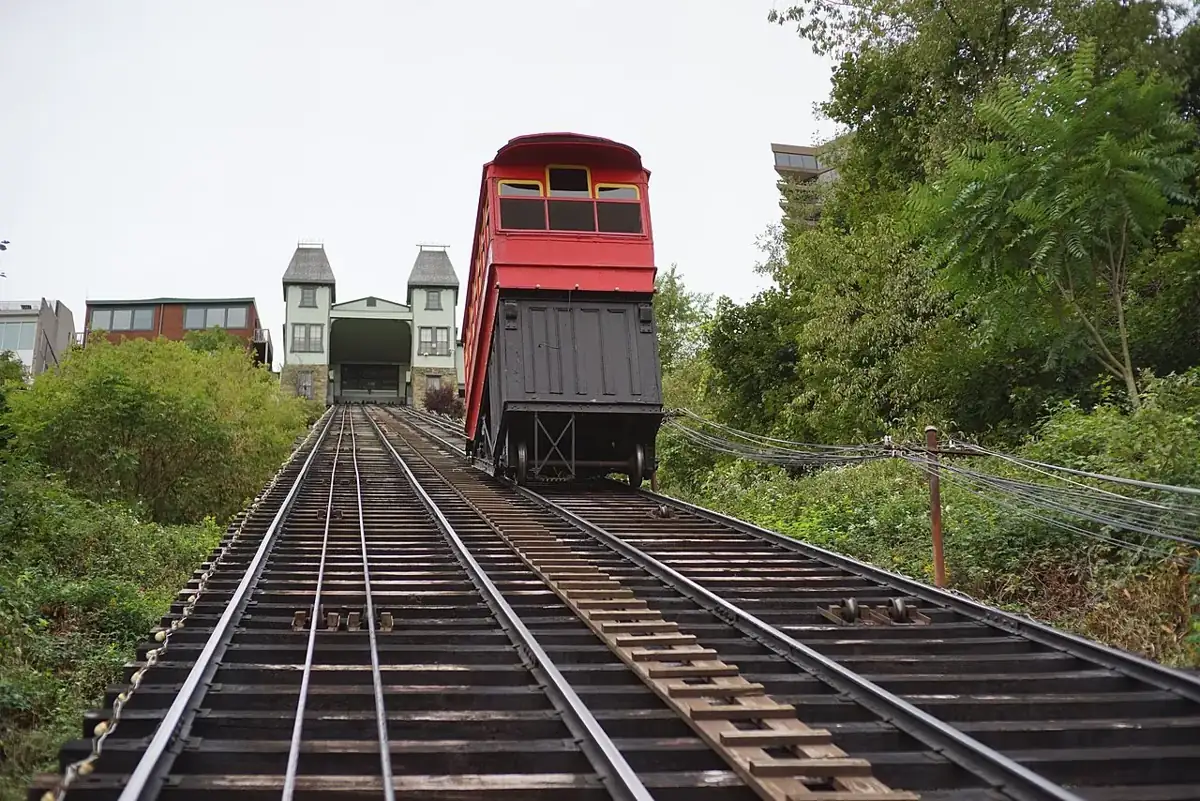
Greater Pittsburgh is a landscape of river valleys, hills, city neighborhoods, boroughs, and townships spread across several counties. Housing includes masonry rowhouses, frame singles, duplexes, early suburban homes, ranches, and newer development. Topography, bridge and highway access, school-district boundaries, and municipal services create meaningful submarket differences. A buyer must consider slope, retaining walls, foundations, sewer and utility systems, legal occupancy, and street-level context alongside interior condition. County assessment and municipal records should be matched to the exact parcel before a purchase strategy is chosen.
01How the Housing Context Changes the Review
Slopes direct attention to retaining walls, drainage, foundation movement, hillside stability, and practical vehicle or service access. Older homes may need masonry, roof, chimney, electrical, plumbing, sewer, or boiler work. Damp basements and aging laterals are common diligence themes. Mine-subsidence or flood information, when relevant, must be checked for the parcel. Borough and township procedures can differ.
02Property Patterns We Account For
Pittsburgh neighborhoods feature brick and frame houses on narrow hillside lots, stacked floor plans, integral garages, stone foundations, and basement entries at changing grades. Former mill communities contain rowhouses, duplexes, and modest detached homes, while southern and eastern suburbs add capes, ranches, split levels, and planned developments. Long stair approaches, shared alleys, walls, and steep driveways can affect access. Mine history, landslide susceptibility, and separate municipal sewer arrangements require address-specific inquiry rather than regional assumptions.
03What We Check Before Proposing Terms
Confirm county, municipality, parcel, title, liens, occupancy, legal use, utilities, and sewer provider. Inspect slope and retaining systems, foundation, basement, roof, masonry, chimney, heating, electrical, plumbing, and lateral condition. Review mine and flood sources where applicable, plus leases, permits, violations, insurance records, and association documents. Shared access, party walls, estate authority, or an unrecognized unit should be clarified before estimating value or closing timing.
04Selling an Inherited, Vacant, Rental, or As-Is House throughout Greater Pittsburgh
Pittsburgh-area owners may be settling a hillside family home, leaving a former mill-town rental, resolving tenant or estate matters, or facing a retaining-wall, sewer, or foundation project. Some properties have many stairs, accumulated contents, or access that complicates cleanout. Useful early details include municipality, title authority, occupants, utility type, sewer information, structural reports, permits, mine or flood records, and any shared wall or driveway arrangements.
Records We May Need to Reconcile
Depending on the exact parcel, relevant public information may be maintained through Allegheny County, Westmoreland County, and Washington County. Source coverage and freshness vary, so we confirm property-specific facts during review.
- Allegheny County
- Westmoreland County
- Washington County
Nearby Areas in the Same Conversation
The metro area connects with communities such as Mt. Lebanon, Penn Hills, Monroeville, Bethel Park, and McKeesport. These names provide local context; every address still receives its own review.
- Mt. Lebanon
- Penn Hills
- Monroeville
- Bethel Park
- McKeesport