Piedmont Triad Property Guide
A Local Review—Not a National Guess.
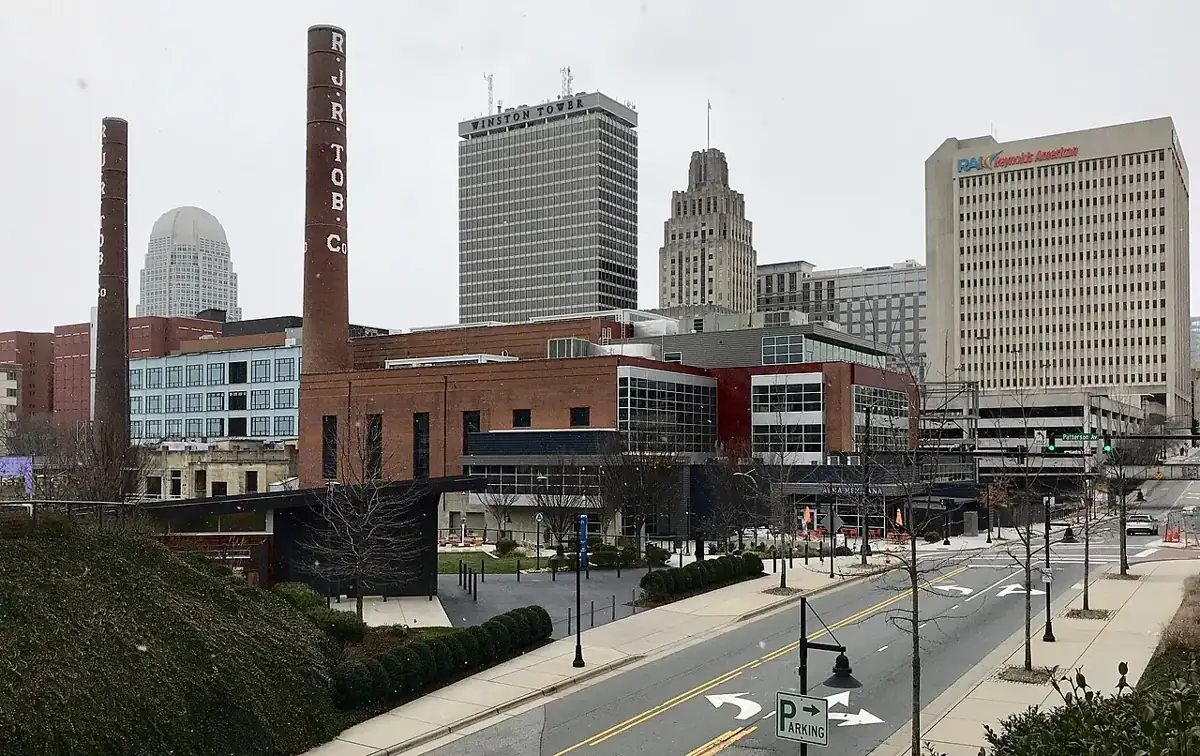
The Piedmont Triad links Greensboro, Winston-Salem, High Point, and surrounding communities without erasing their distinct housing patterns. Investors encounter mill-era neighborhoods, brick ranches, modest suburban subdivisions, townhomes, and rural-edge properties across several counties. Proximity to logistics, manufacturing, universities, and medical employment can support different tenant profiles, but block condition and functional layout remain decisive. A regional review should match the address to its county and municipality, then test repair scope, utilities, access, and occupancy against the property’s most practical long-term use.
01How the Housing Context Changes the Review
Many Triad homes use crawl-space construction, making drainage, vapor control, wood-destroying insects, and floor framing important. Older properties may also carry dated electrical service, galvanized or polybutylene plumbing, chimney issues, and layered additions. Rural-edge homes can rely on wells, septic systems, propane, or private roads. Townhomes and planned communities add association documents and leasing rules to the condition analysis.
02Property Patterns We Account For
Greensboro has bungalows, brick ranches, duplexes, and broad suburban tracts; Winston-Salem combines historic neighborhoods, former mill housing, small multifamily buildings, and later subdivisions. High Point and Thomasville reflect furniture-era worker housing alongside ranches and newer development, while Kernersville bridges the larger centers. Crawl spaces are widespread, though slabs also occur. Rural edges bring manufactured units, wells, septic systems, workshops, and private drives. Porch enclosures, carport conversions, additions, and mixed home-business spaces should be reconciled with permits and utilities.
03What We Check Before Proposing Terms
Verify the correct county parcel, deed ownership, liens, legal use, occupants, and utility configuration. Inspect roof, crawl space, grading, HVAC, plumbing, electrical, windows, and evidence of termite or moisture damage. Request septic and well records where applicable, plus HOA materials, leases, permits, and insurance-loss information. Mixed-use outbuildings or home-business spaces should be documented without assuming they are approved for a particular use.
04Selling an Inherited, Vacant, Rental, or As-Is House across the Piedmont Triad
Triad sellers may be leaving a long-held mill house, settling an estate, liquidating a small rental, relocating between regional job centers, or facing crawl-space and termite repairs. Rural inquiries may include manufactured homes, shops, equipment, or family land with uncertain boundaries. Early facts about county, authority, occupants, utilities, permits, pest and moisture reports, well and septic records, association files, and included personal property help define the potential purchase accurately.
Records We May Need to Reconcile
Depending on the exact parcel, relevant public information may be maintained through Guilford County, Forsyth County, and Davidson County. Source coverage and freshness vary, so we confirm property-specific facts during review.
- Guilford County
- Forsyth County
- Davidson County
Nearby Areas in the Same Conversation
The regional market connects with communities such as Greensboro, Winston-Salem, High Point, Kernersville, and Thomasville. These names provide local context; every address still receives its own review.
- Greensboro
- Winston-Salem
- High Point
- Kernersville
- Thomasville