Santa Fe Property Guide
A Local Review—Not a National Guess.
Santa Fe combines historic central neighborhoods, foothill properties, planned communities, and semi-rural homes beyond the city limits. Purchase analysis often depends on more than finishes: access, water source, wastewater service, wildfire exposure, and the history of additions may shape both repairs and future use. Pueblo Revival and Territorial-style homes can include specialized exterior systems and flat roofs that require informed inspection. Because conditions differ between in-town parcels and acreage, each opportunity should be reviewed against its exact setting, utilities, recorded access, and realistic occupant profile.
01How the Housing Context Changes the Review
Many Santa Fe-area homes use stucco exteriors, vigas, parapets, radiant heat, or private well and septic systems. Deferred stucco maintenance, roof drainage, freeze damage, and older mechanical equipment can create interconnected repair needs. Rural parcels may also involve shared wells, easements, propane, or roads maintained by private agreement. Historic-district or association controls should be identified before assuming exterior changes or additions will be straightforward.
02Property Patterns We Account For
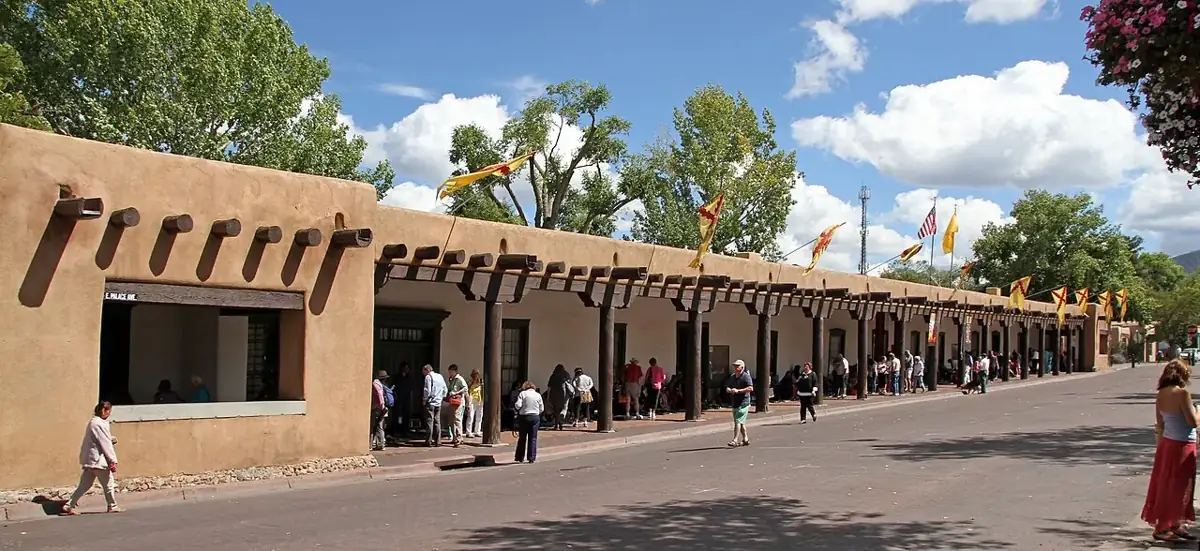
Historic districts and central neighborhoods contain thick-walled adobe or adobe-inspired houses, vigas, kiva-style fireplaces, courtyards, and flat roofs. Eldorado and outer subdivisions offer larger stucco homes, often with radiant heat, septic systems, and association controls. Tesuque and Pojoaque areas introduce acreage, private roads, shared wells, guesthouses, and equestrian improvements. Foothill properties can have steep drives or retaining work. Portals, detached studios, and remodeled acequia-side structures may be valuable features, but legal use, water, access, and specialized maintenance must be verified.
03What We Check Before Proposing Terms
Review begins with ownership, legal access, utility sources, water and septic documentation, and any recorded restrictions. The physical visit should distinguish surface cracking from movement, check roof membranes and drainage points, and document moisture, heating, and electrical conditions. Sellers should also flag guesthouses, converted garages, solar equipment, boundary uncertainties, or work completed without readily available approvals so the buyer can price the actual situation.
04Selling an Inherited, Vacant, Rental, or As-Is House in and around Santa Fe
Santa Fe sellers may be managing a distant second home, inherited adobe property, rural residence with private systems, or unfinished guesthouse. Others face recurring stucco or roof work, an aging radiant-heat system, shared-road disagreements, or the logistics of clearing art, furnishings, and workshop contents. A useful initial file identifies ownership authority, water and access agreements, septic records, association or historic controls, permits, occupants, and precisely what personal property is excluded or included.
Records We May Need to Reconcile
Depending on the exact parcel, relevant public information may be maintained through Santa Fe County, Los Alamos County, and Rio Arriba County. Source coverage and freshness vary, so we confirm property-specific facts during review.
- Santa Fe County
- Los Alamos County
- Rio Arriba County
Nearby Areas in the Same Conversation
The metro area connects with communities such as Eldorado, Tesuque, Pojoaque, Española, and Los Alamos. These names provide local context; every address still receives its own review.
- Eldorado
- Tesuque
- Pojoaque
- Española
- Los Alamos