Grand Rapids Property Guide
A Local Review—Not a National Guess.
Grand Rapids connects older city neighborhoods with a broad ring of suburban communities and employment corridors extending toward Ottawa County. Properties range from narrow-lot houses and duplexes near the core to mid-century subdivisions, newer townhomes, and semi-rural homes. Sellers may be addressing an inherited residence, tenant turnover, a basement problem, or renovations that no longer fit their plans. Our evaluation uses the exact municipality, property type, occupancy, access, repair scope, and timing instead of treating the whole west Michigan market as uniform.
01How the Housing Context Changes the Review
Local housing often includes basements, detached garages, porches, mature trees, and additions completed in different eras. Drainage, foundation movement, older wiring, roof age, heating equipment, and signs of prolonged vacancy are meaningful review points. In outlying communities, wells, septic systems, pole buildings, or larger parcels can add diligence. A clean, functional home may require only ordinary turnover, while unresolved water or structural work can place it in a different purchase category.
02Property Patterns We Account For
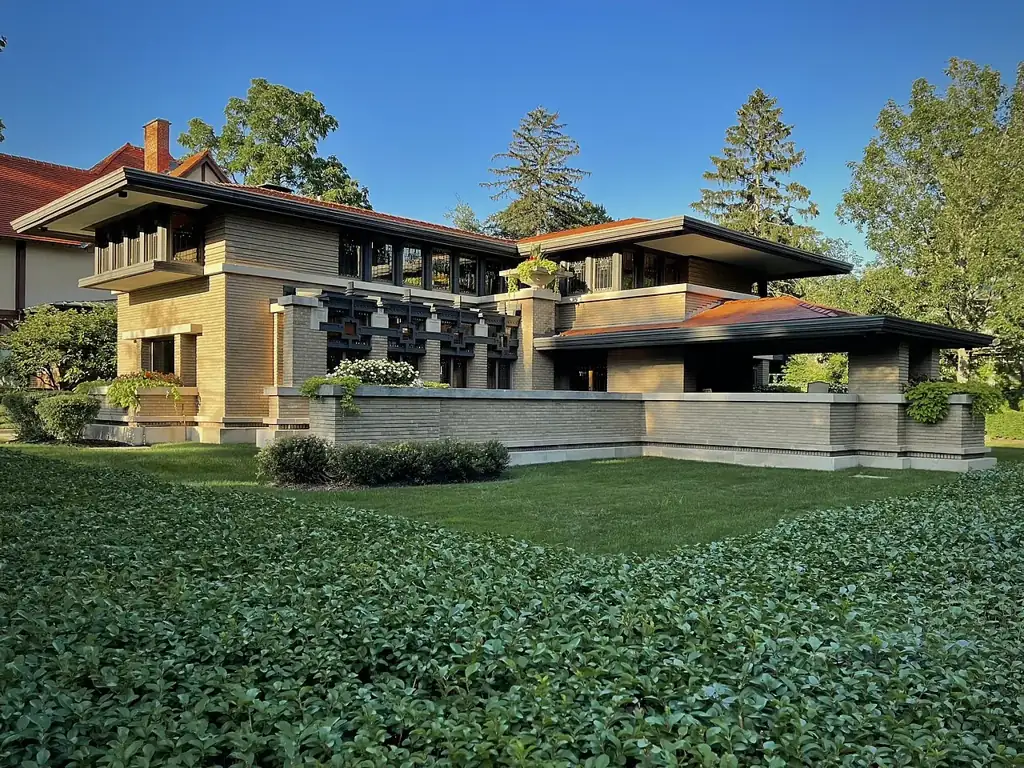
Grand Rapids has older frame homes, brick houses, duplexes, porches, basements, and detached garages near its core. Wyoming, Kentwood, Walker, and Grandville add broad postwar neighborhoods with ranches and split-levels. Ada and Hudsonville introduce newer subdivisions, wooded lots, and semi-rural properties. Across Kent and eastern Ottawa counties, basement moisture, foundation walls, mature trees, roof and siding exposure, furnace condition, additions, sewer or septic service, association features, and shops or pole buildings distinguish the work needed at each address.
03What We Check Before Proposing Terms
We review municipal location, occupancy, basement and drainage condition, roof, electrical and heating systems, garage or outbuilding condition, and any private utilities. It also helps to know whether remodeling was finished, whether materials remain onsite, and what personal property will be left. Tenanted homes require accurate access and occupancy details before a path can be evaluated responsibly.
04Selling an Inherited, Vacant, Rental, or As-Is House in greater Grand Rapids
Owners around Grand Rapids commonly request review for an inherited house, rental turnover, relocation, a wet basement, or remodeling that stopped after rooms were opened. Rural-edge properties may also contain tools, trailers, or building materials. Sellers can help define the project by sharing the vacancy timeline, utility status, water history, completed improvements, private systems, structures, and what will remain after closing.
Records We May Need to Reconcile
Depending on the exact parcel, relevant public information may be maintained through Kent County and Ottawa County. Source coverage and freshness vary, so we confirm property-specific facts during review.
Nearby Areas in the Same Conversation
The metro area connects with communities such as Wyoming, Kentwood, Walker, Grandville, Ada, and Hudsonville. These names provide local context; every address still receives its own review.
- Wyoming
- Kentwood
- Walker
- Grandville
- Ada
- Hudsonville