New Orleans Property Guide
A Local Review—Not a National Guess.
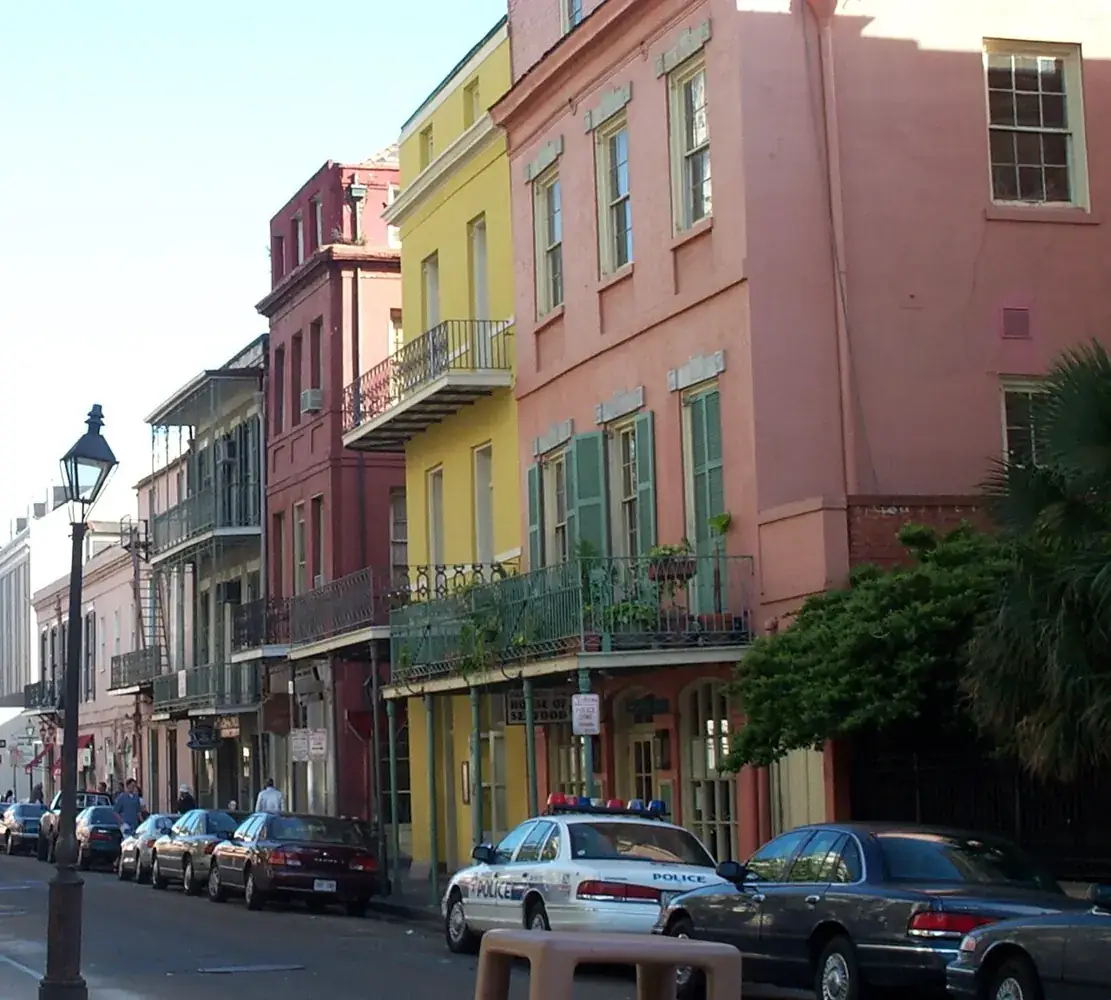
New Orleans is a neighborhood-driven market where elevation, drainage, flood history, building style, and block context strongly affect a property. Shotgun houses, raised cottages, doubles, brick ranches, and condominiums each bring distinct diligence needs. Parish boundaries and east-bank or west-bank location also shape records and access. A direct principal buyer can evaluate a home in its current condition when the owner faces storm damage, inherited property, tenants, vacancy, or extensive deferred maintenance, but the analysis must remain specific to the structure and parcel.
01How the Housing Context Changes the Review
The area’s housing includes raised wood-frame homes, shotgun singles and doubles, masonry houses, multifamily buildings, and condos. Roofs, foundations or piers, termite damage, moisture, electrical systems, plumbing, drainage, and prior storm repairs regularly require review. Legal unit count, succession ownership, flood documentation, and permits can be important. Vacant homes may have utility or security issues that limit initial inspection.
02Property Patterns We Account For
Uptown and Mid-City contain raised cottages, shotgun doubles, masonry, and renovations spanning many eras. Algiers adds west-bank neighborhoods with both older homes and postwar stock. New Orleans East includes slab houses, brick residences, canals, and broad subdivisions. Metairie shifts into Jefferson Parish, while Chalmette is in St. Bernard Parish. Piers, termite exposure, roofs, drainage, shared meters, side-yard access, and historic additions can shape repairs. Elevation and prior water history remain address-specific rather than safely generalized by neighborhood.
03What We Check Before Proposing Terms
Confirm parish, title or succession authority, legal unit count, permits, occupancy, leases, and any association obligations. Inspect roof, framing, piers or slab, moisture, termites, drainage, electrical, plumbing, HVAC, and documented storm repairs. Gather available flood or insurance history, establish safe access, and identify contents or debris that the seller expects to remain.
04Selling an Inherited, Vacant, Rental, or As-Is House in New Orleans
Owners may be resolving a family succession, holding a storm-damaged vacant home, managing one side of an occupied double, or living away from Louisiana. Some properties contain abandoned furnishings, appliances, or renovation materials. A direct review can account for agreed contents and unfinished work, but authority to sell, parish records, tenant status, utility access, environmental hazards, and known remediation history must be disclosed and verified.
Records We May Need to Reconcile
Depending on the exact parcel, relevant public information may be maintained through Orleans Parish, Jefferson Parish, and St. Bernard Parish. Source coverage and freshness vary, so we confirm property-specific facts during review.
- Orleans Parish
- Jefferson Parish
- St. Bernard Parish
Nearby Areas in the Same Conversation
The city and surrounding area connects with communities such as Metairie, Gretna, Chalmette, Mid-City, Algiers, and New Orleans East. These names provide local context; every address still receives its own review.
- Metairie
- Gretna
- Chalmette
- Mid-City
- Algiers
- New Orleans East