Hawaiʻi Island Property Guide
A Local Review—Not a National Guess.
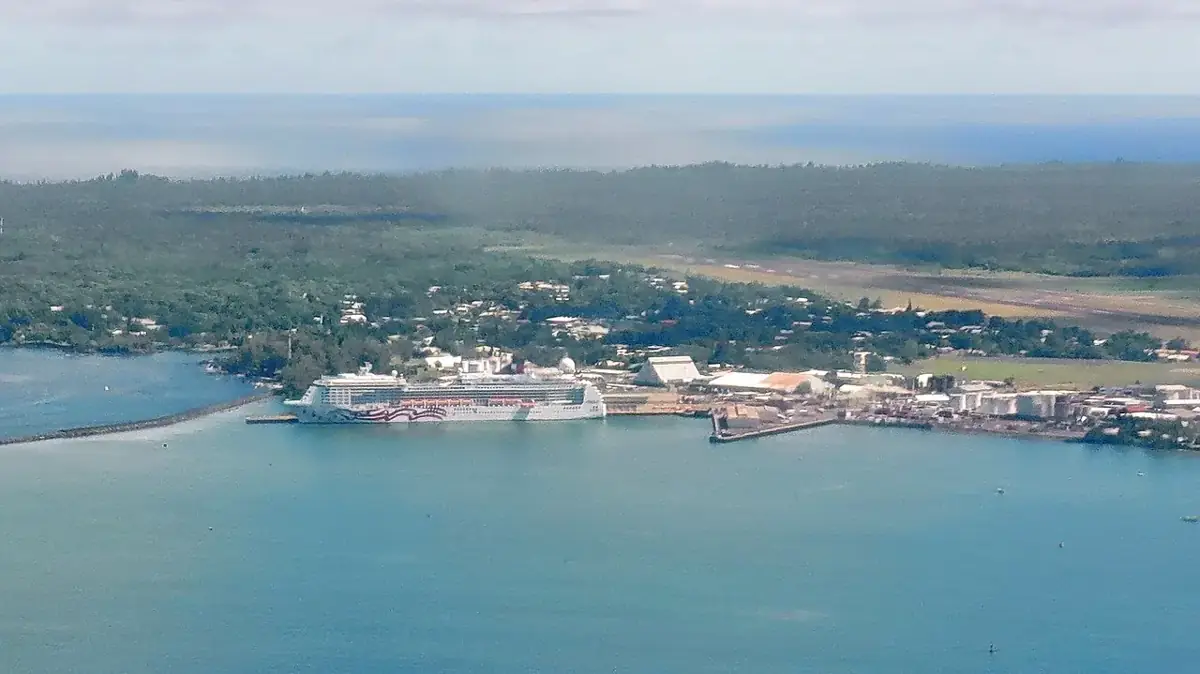
Hawaiʻi Island contains several distinct housing environments: wetter windward communities around Hilo, drier Kona-side neighborhoods, agricultural areas, and remote subdivisions with varied infrastructure. Long travel distances, lava-zone context, water systems, and road quality can influence property use and diligence. Homes on seemingly similar lots may differ in utilities, access, permitting, and exposure. Direct-purchase decisions are strongest when they reflect the parcel’s exact district and physical realities, with enough flexibility for sellers managing inherited homes, vacancies, or accumulated repairs.
01How the Housing Context Changes the Review
The island’s stock includes in-town houses, rural dwellings, off-grid properties, homes on catchment, and residences in large subdivisions. Common diligence topics include water source, septic or cesspool systems, private roads, power availability, survey questions, permit history, vegetation, and moisture damage. Volcanic terrain and localized climate conditions can complicate repairs, so condition and access deserve property-specific review rather than broad assumptions.
02Property Patterns We Account For
Hilo-area homes often contend with heavy rain, roof growth, crawlspace moisture, and older post-and-pier construction. Kona-side residences are generally drier but can show intense sun and salt exposure, while upland Waimea properties experience cooler, windier conditions. Puna subdivisions may have unpaved private roads, catchment, septic or cesspool service, and large vegetated lots. South Kona parcels can be steep or terraced. Utility availability and road quality therefore belong in every comparison, not just the bedroom count.
03What We Check Before Proposing Terms
Verify legal access, utility setup, water and wastewater systems, permit records, occupancy, and any known survey or boundary concern. Review roof, framing, moisture, pests, vegetation encroachment, and site drainage. Note the parcel’s mapped hazard context and actual insurability information when available, while avoiding conclusions until title, condition, and supporting records have been examined.
04Selling an Inherited, Vacant, Rental, or As-Is House on Hawaiʻi Island
Island sellers frequently manage property from another district or from off island, inherit land shared among family members, or face a structure built in stages with incomplete records. Vacant homes can accumulate vegetation, moisture, pests, or dumped materials. Some owners need to leave tanks, tools, or nonworking vehicles. These circumstances can be included in a direct review, subject to ownership, access, and environmental limits.
Records We May Need to Reconcile
Depending on the exact parcel, relevant public information may be maintained through Hawaiʻi County. Source coverage and freshness vary, so we confirm property-specific facts during review.
Nearby Areas in the Same Conversation
The regional market connects with communities such as Hilo, Kailua-Kona, Waimea, Pāhoa, Captain Cook, and Volcano. These names provide local context; every address still receives its own review.
- Hilo
- Kailua-Kona
- Waimea
- Pāhoa
- Captain Cook
- Volcano